
Easy Cottage Cheese Cheesecake Recipe (keto, low carb)
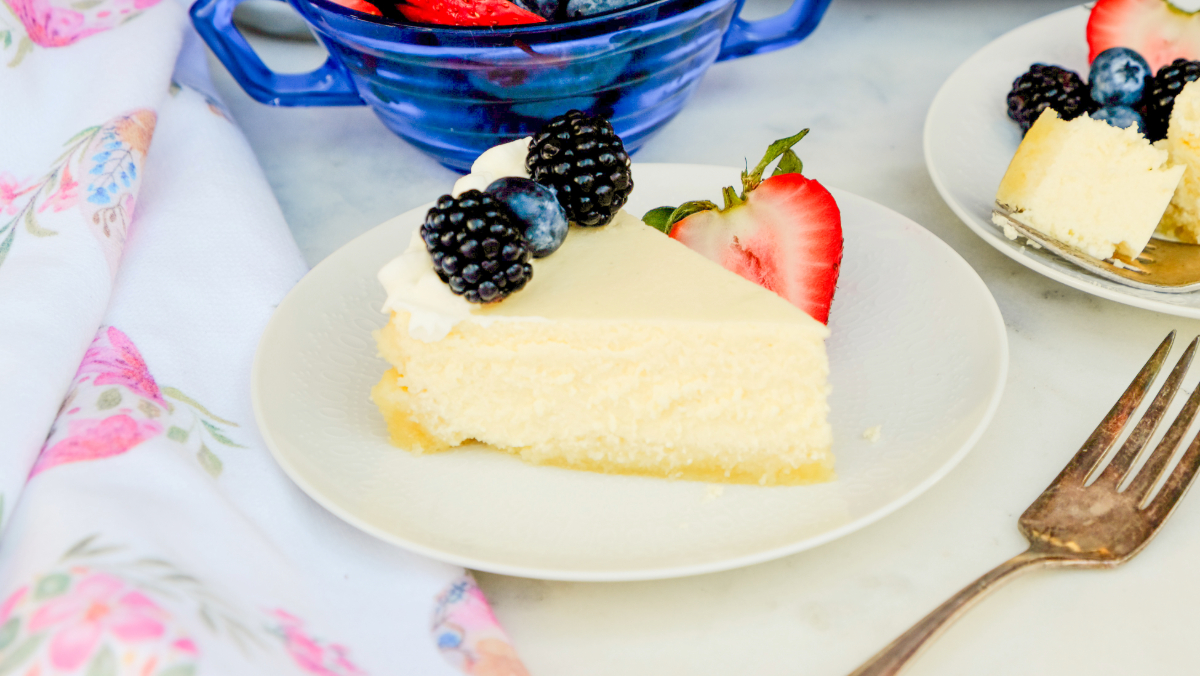
Cottage Cheese Cheesecake is a delicious and healthier alternative to traditional cheesecake. It tastes great and has a light and fluffy texture that makes it perfect for any occasion. It’s also great for those on a low-carb diet or looking to add more protein to their day.
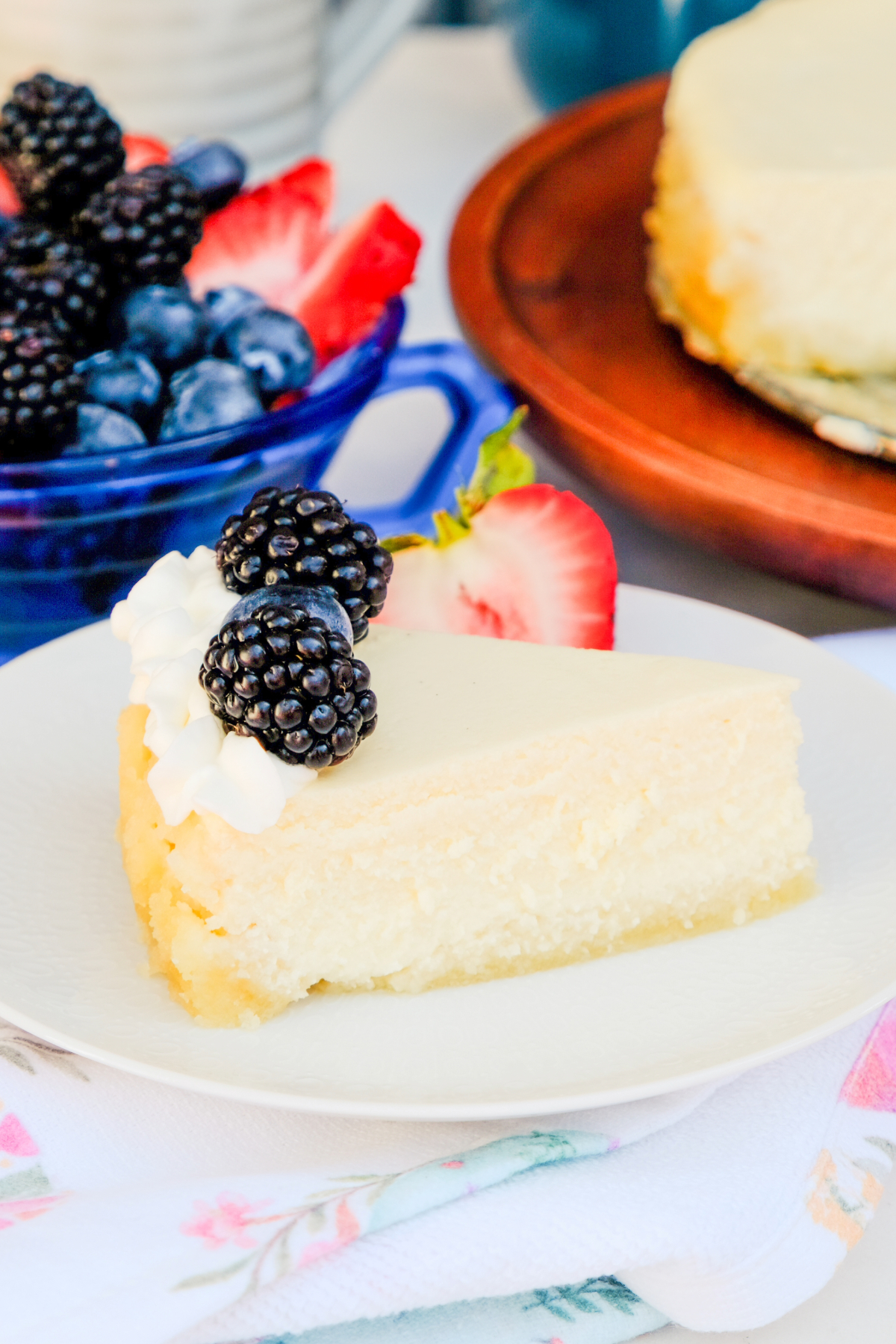
Looking for more keto or low-carb cheesecake recipes? If so, you will enjoy this Keto Chocolate Cheesecake or this Low-Carb Keto Pumpkin Cheesecake. They are both so delicious that the whole family will love them.
Table of Contents
Why You’ll Love This Recipe
- It’s incredibly creamy and rich, with the perfect balance of sweetness and tanginess.
- It’s easy to make, and you only need simple ingredients, so there’s no need for fancy kitchen tools!
- It’s easily customizable with different toppings, such as fresh berries, whipped cream, or a sprinkle of cinnamon for added flair.
- Great for any occasion, whether it’s a special celebration, holiday gathering, or just a treat for yourself.
This recipe is guaranteed to be a hit with everyone, whether they’re following a keto lifestyle or not!
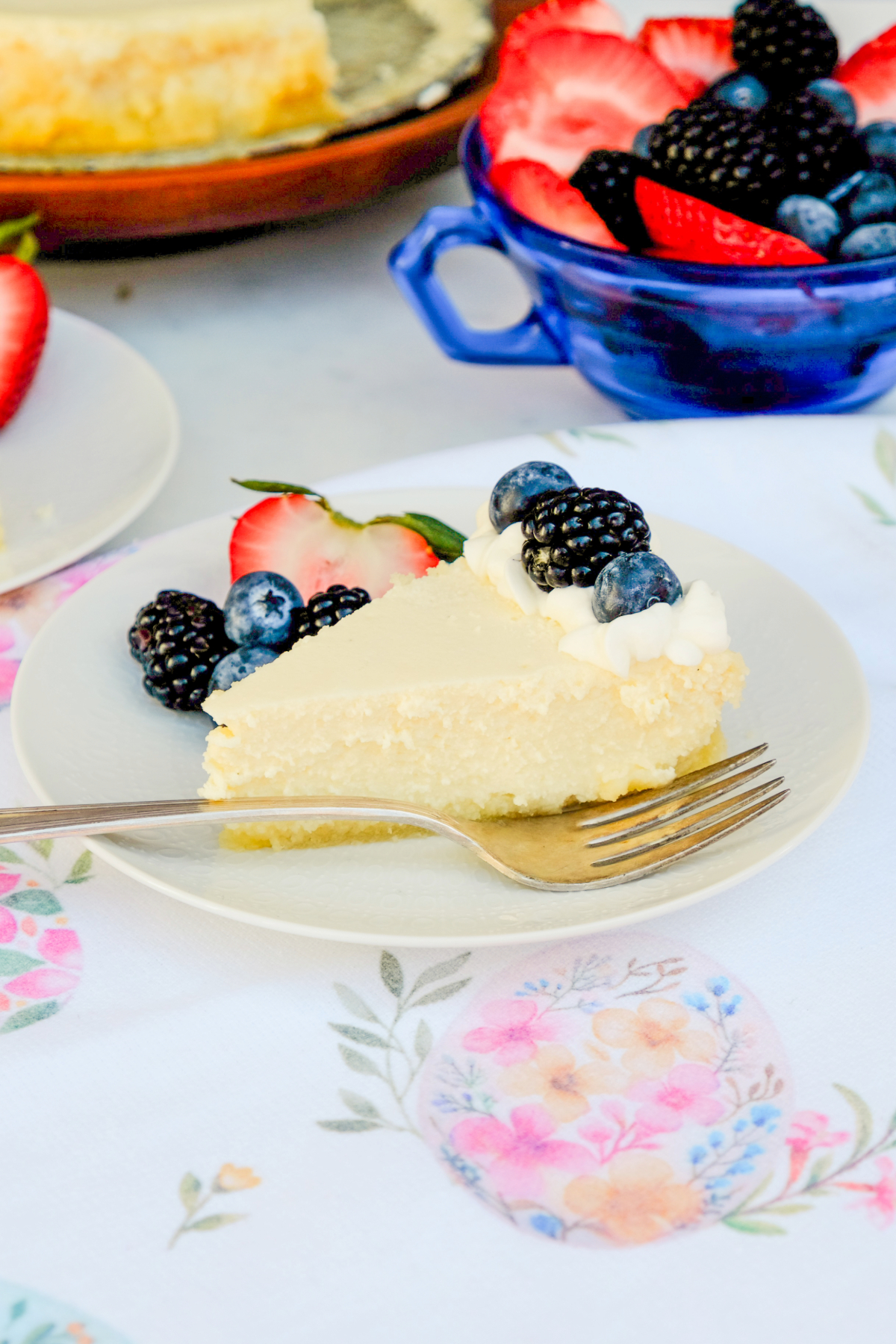
Equipment Needed
This is a list of equipment that you will need to make this high protein cottage cheese cheesecake recipe:
- 8-inch springform pan
- Large mixing bowl
- Food processor
Ingredients
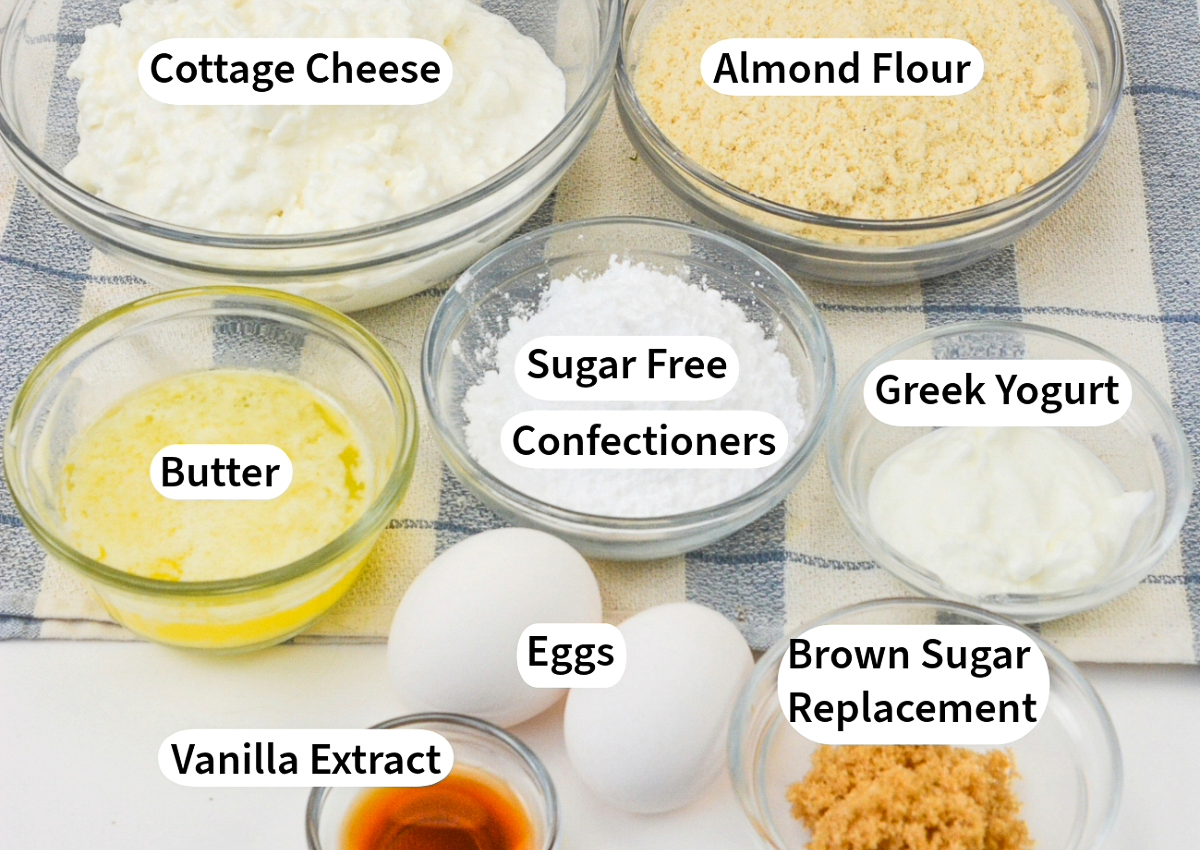
This is a list of the ingredients that you need to make your grocery shopping easier. You can find the full list of the ingredients and amounts needed in the recipe card at the bottom of this post.
- Almond flour
- Swerve brown sugar substitute
- Melted butter
- Cottage cheese – I recommend using full-fat small curd
- Plain greek yogurt
- Swerve confectioners sugar substitute
- Vanilla extract
- Large eggs
How to Make Cottage Cheese Cheesecake
This is a quick overview of the step-by-step instructions for making this recipe. You can find the complete list of instructions in the printable recipe card at the bottom of this post.
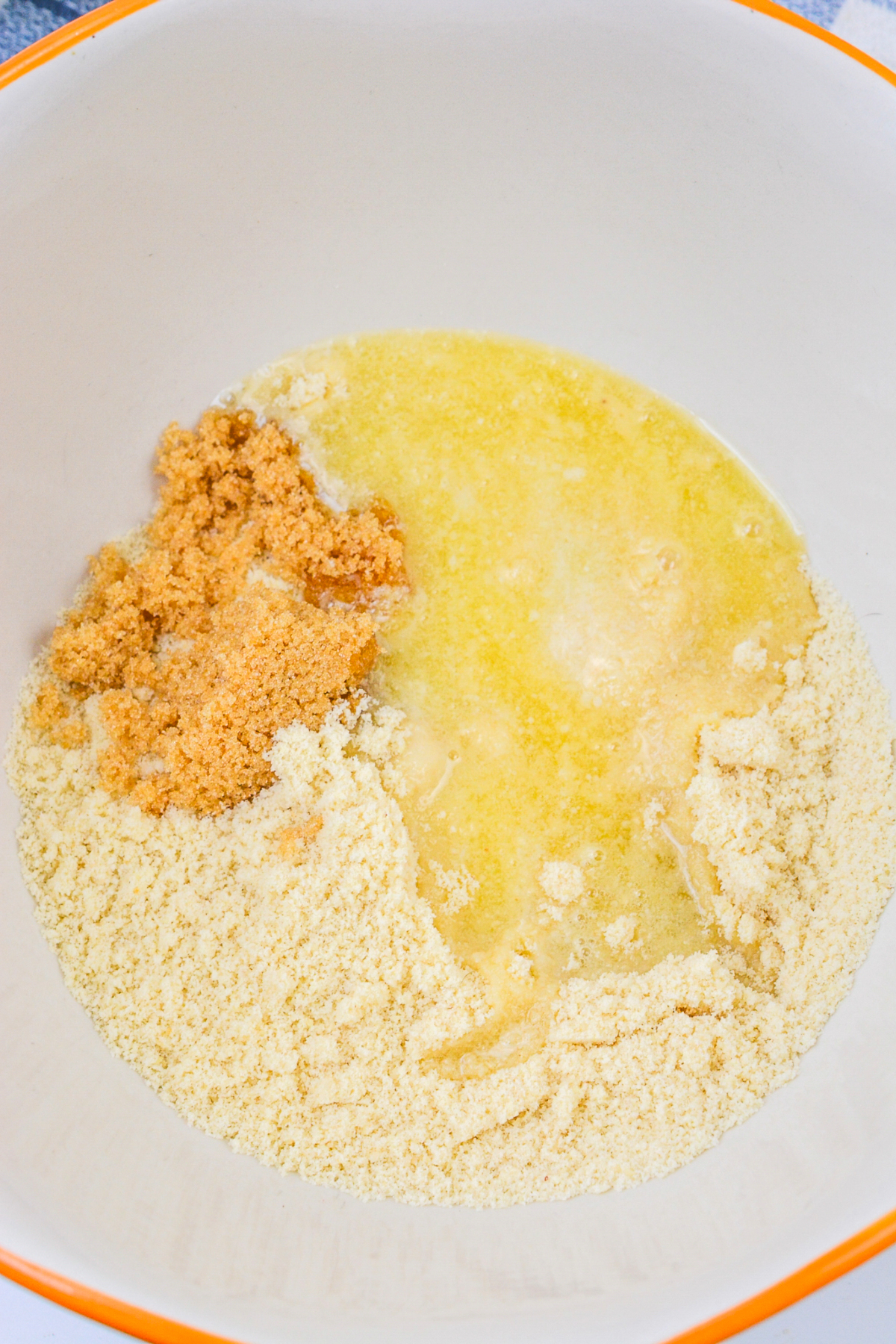
- Mix together the crust ingredients in a mixing bowl, and press the crust into the bottom of 8 inch springform pan.
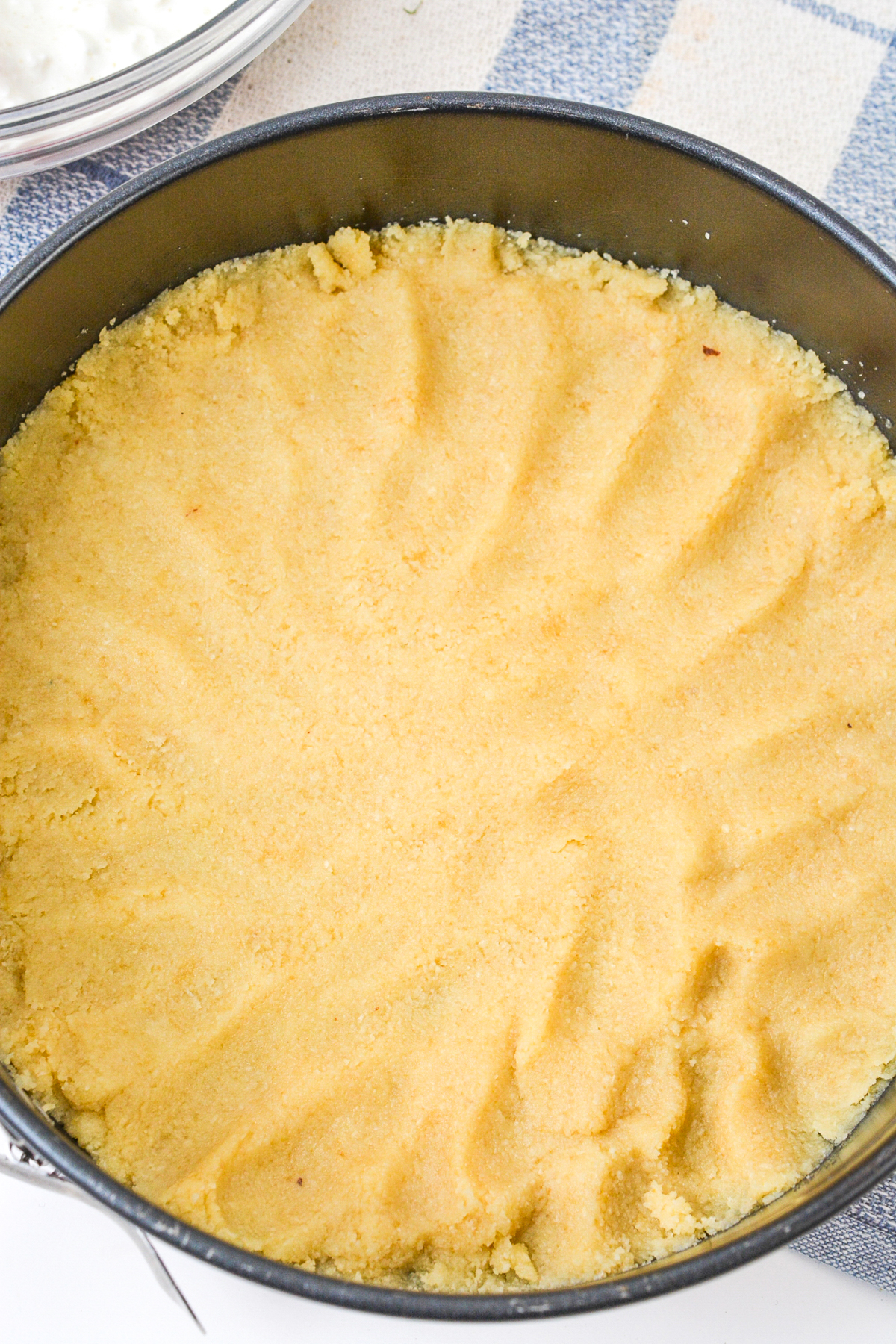
- Bake in the preheated oven for 8 minutes. Set aside to cool.
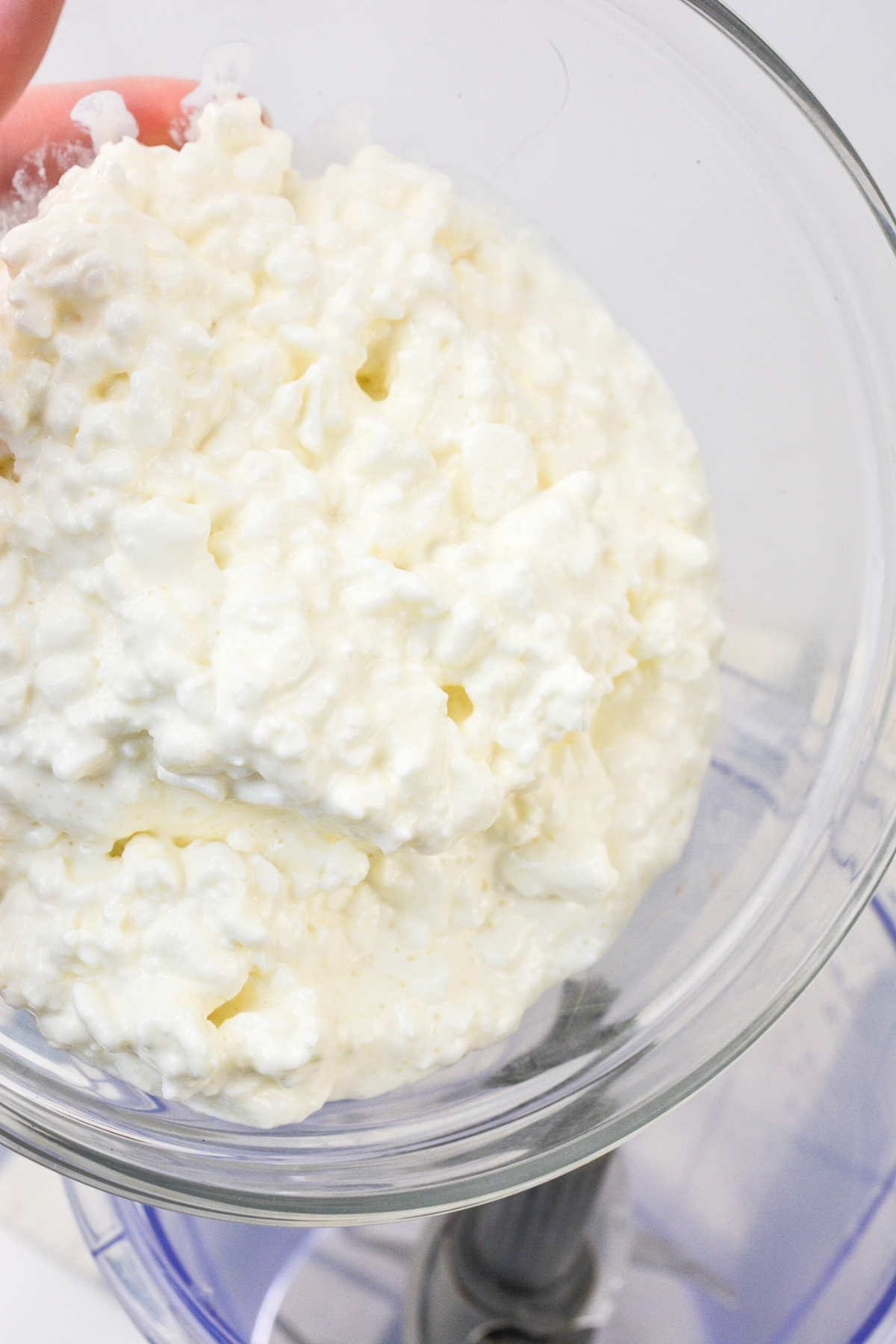
- Place the cottage cheese, Greek yogurt, sweetener, eggs and vanilla extract into a blender or food processor, and pulse until smooth and creamy. Pour on top of the cooled crust.
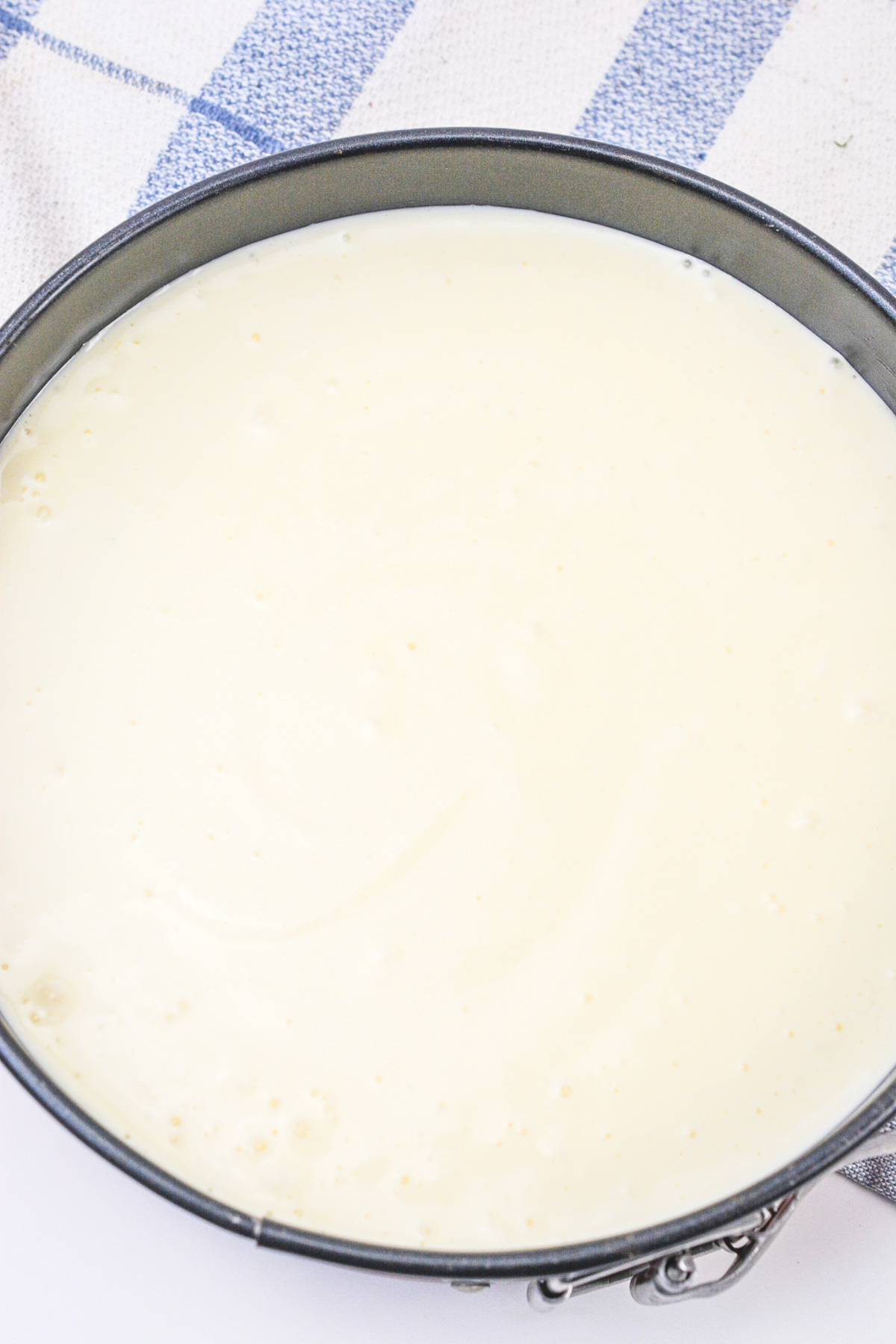
- Bake the cheesecake for 45-55 minutes, or until the edges are lightly browned and set, and the center is still just very slightly jiggly.
What To Serve With This Dish
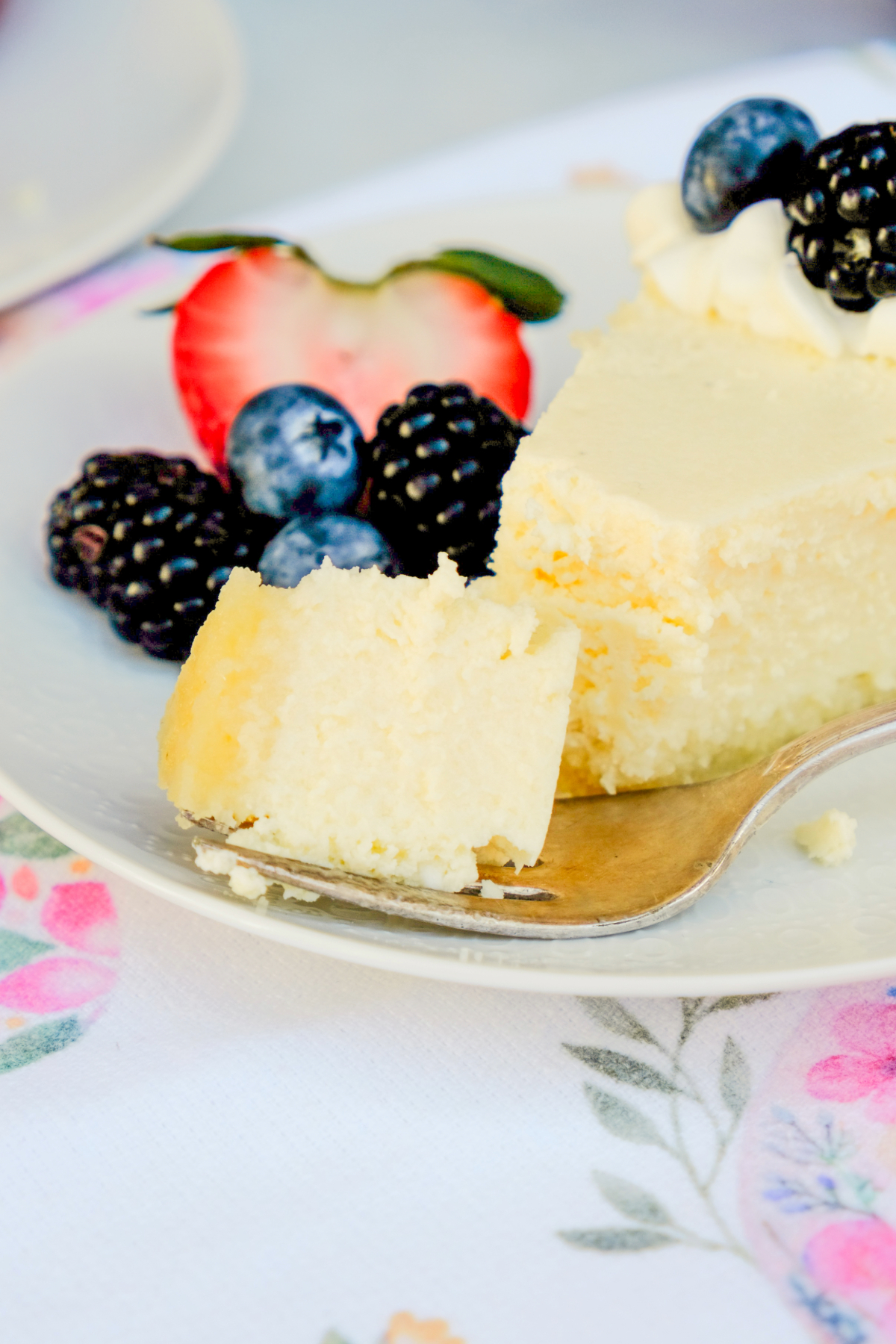
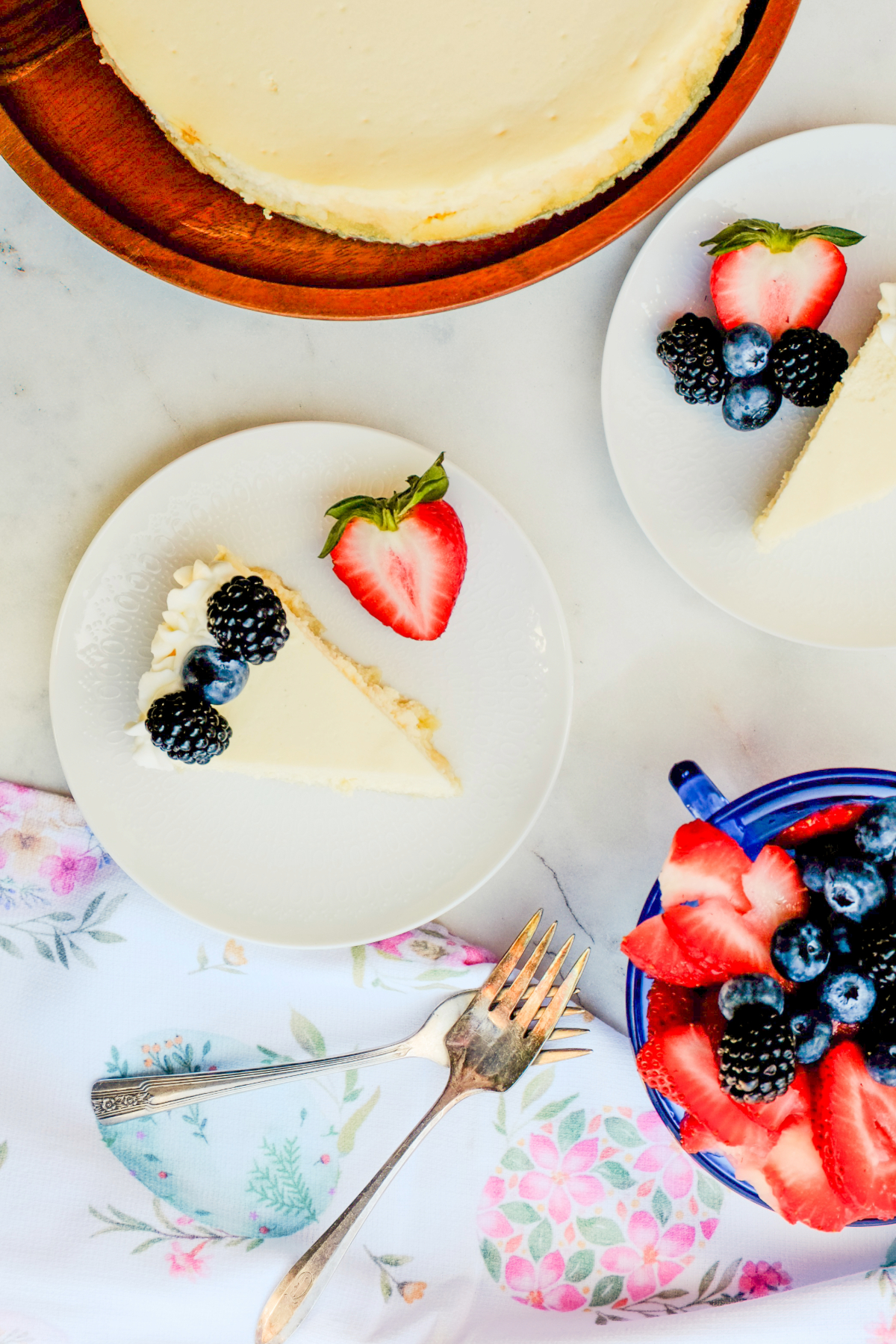
Serve this cheesecake with fresh berries or whipped cream on top. Or, for something a little extra, you can also top it with this Sugar-free Cinnamon Blueberry Sauce or Easy Vegan Caramel Sauce. Both of these taste great on this keto cheesecake.
Substitutions and Additions
These substitutions and additions make it easy to customize the recipe to your taste while keeping it delicious and satisfying! Don’t be afraid to experiment and make this cheesecake your own.
- I used Greek yogurt to add tang and some extra protein. However, you can swap it out and use sour cream instead.
- For citrus flavor, add some lemon zest, orange zest, or even lemon juice to the cheesecake batter before you pour it on top of the crust.
- Use confectioner’s sugar in this recipe. I don’t recommend granular sugar substitute version because the texture will be gritty.
- If you prefer a nut-free option, you can substitute oat flour for almond flour in the crust.
- If you’d like a crunchier texture in your crust, mix in some chopped nuts before pressing it into the pan.
How To Store
Storage – Store the cheesecake tightly with plastic wrap or aluminum foil in the fridge for up to 5 days.
Freezing – You can also freeze the cheesecake for up to 3 months by wrapping it tightly with plastic wrap and then placing it in an airtight container or freezer bag. To thaw, let it sit in the fridge overnight before serving.
Sandra’s Pro Tips
- Before you store the cheesecake in the fridge to set up, make sure that it is completely cool so that condensation doesn’t build up.
- For an ultra-smooth cheesecake filling, make sure all your ingredients are at room temperature before mixing. This helps everything blend together seamlessly without lumps.
- Avoid over mixing the batter, as incorporating too much air can cause cracks during baking.
- To prevent the cheesecake from sticking to the pan, lightly grease the sides and use parchment paper for easier removal.
FAQs
Do you have questions about this recipe? Here are the answers to the most commonly asked questions for this recipe.
Cottage cheese cheesecake has a delightful flavor that is creamy yet slightly tangy, thanks to the cottage cheese. It’s lighter than traditional cheesecakes but still rich and satisfying.
Cream cheese is smoother and richer, with a mild, slightly sweet flavor, making it a common choice for traditional cheesecake. On the other hand, cottage cheese has a lumpier texture and a tangier taste, offering a lighter, more wholesome alternative.
Yes, you can use low-fat cottage cheese. However, I think that full-fat cottage cheese will give your cheesecake a better texture and flavor. But if you are looking for a healthier option, low-fat cottage cheese can still be used.
Other Delicious Cottage Cheese Recipes You May Enjoy
- 20 Filling and Delicious Cottage Cheese Recipes
- Cottage Cheese Pancakes
- Easy Cottage Cheese Ranch Dip
- Sugar Free Orange Jello Salad
Easy Cottage Cheese Cheesecake Recipe (keto, low carb)
Equipment
- 8-inch springform pan
- Parchment Paper
- Food processor or blender
Ingredients
For the Crust
- 1 ½ cups Almond flour
- 2 Tablespoons Swerve brown sugar substitute
- 5 Tablespoons Melted butter
For the Cheesecake Filling
- 16 ounce Cottage cheese small curd, full fat
- ½ cup Greek yogurt plain
- ½ cup Swerve confectioners sugar substitute
- 2 teaspoons Vanilla extract
- 2 eggs Large
Instructions
- Preheat the oven to 350°F (180C).
Bake Crust
- Mix together the crust ingredients in a mixing bowl, and press the crust into the bottom of 8 inch springform pan. Bake for 8 minutes. Remove from oven.
Cheesecake Filling
- Place the cottage cheese, Greek yogurt, sweetener, eggs and vanilla extract into a blender or food processor, and pulse until smooth and creamy.
- Pour the filling mixture over the crust in the springform pan.
Bake the Cheesecake
- Bake the cheesecake for 45-55 minutes, or until the edges are lightly browned and set, and the center is still just very slightly jiggly.
Cool the Cheesecake
- Let the cheesecake cool to room temperature, and then carefully remove the ring from the springform pan.
- Chill the cheesecake in the fridge for at least 4 hours before serving.
- Top with whipped cream, fresh fruit or a fruit glaze.
Notes
- Before you store the cheesecake in the fridge to set up, make sure that it is completely cool so that condensation doesn’t build up.
- For an ultra-smooth cheesecake filling, make sure all your ingredients are at room temperature before mixing. This helps everything blend together seamlessly without lumps.
- Be sure to use confectioner’s sugar-free version of sweetener to avoid a gritty texture.
- Avoid over mixing the batter, as incorporating too much air can cause cracks during baking.
- To prevent the cheesecake from sticking to the pan, lightly grease the sides and use parchment paper for easier removal.
Nutrition
Disclaimer
Please note that the nutritional information provided are guidelines and may vary based on the brand of products used. For your specific nutritional goals use My Fitness Pal or Verywell Fit recipe calculators. All content within this site is not intended as medical diagnosis or treatment and should not be considered a substitute for professional medical expertise.



Sandra,
Thank you for this recipe. I plan to make a variation of it in the near future. I have a question about ingredients: we use no salt added cottage cheese (for dietary reasons) that has 1% milkfat – there isn’t a variety without salt that has a higher fat content available that I’ve been able to find. Obviously this fat content is not what you’ve recommended and will most likely affect the “silkiness” and richness of the final product. I wonder if there is a way for us to compensate- for example, by adding a certain amount (1 TB, maybe?) of a neutral oil or fat – or coconut cream, maybe? I would guess the amount of cottage cheese would be reduced by the amount of the other ingredient? I would most certainly use whole milk plain Greek yogurt, so that wouldn’t be an issue. Thanks in advance for any thoughts/suggestions- I realize anything recommended likely wouldn’t have been tested, but I thought I’d check in with the questions anyway. Thank you again for including this recipe!
Hi Heather! Yes, I would add a little fat to help with the creaminess. I think butter or a little heavy cream will help, but I’m not sure how much would make up for the creaminess. None the less, I think it will still taste great with just the 1% and no additional tweaks.
Sandra, I think I’ve figured out a way for us to “have our cake and eat it, too” – and I wanted to share. First, thank you for responding to my original question. Because I’m a bit of a perfectionist, I ended up making the cottage cheese using a recipe like yours using whole milk- actually, lactose free whole milk. I used vinegar for half of the batch and thought there was a bit more tang than we wanted for a dessert, so for the second half, I substituted citric acid (3/4 tsp mixed into a TB or so of warm water), and those results seemed to be better (note: there is something to the power of suggestion, however!). I added some whole milk to the cottage cheese to give a bit of creaminess and then followed your recipe basically as written (I just used 4 TB or 32 g of confectioner’s sugar, not a sugar substitute, to suit our needs/taste. I also added a pinch of lemon zest.) I took notes on a tweak or two I’ll do next time, but as it stands, the results were fantastic! If I use some lactose free Greek yogurt, this entire recipe can be made lactose-free, which will be great since we have a family member who attends larger holiday meals who is lactose intolerant. Thank you for including not just this recipe but the one for homemade cottage cheese as well. I have tried to make cheesecake from strained, plain, whole Greek yogurt instead, and the results were not as good as the ones we obtained from your recipe. Thank you so much! We are pleased. 🙂
A second follow up – this time, a question: would a suitable substitute for the Greek yogurt in this recipe be canned, unsweetened coconut cream? It would be a more economical lactose-free option- curious about your thoughts…thanks in advance for any consideration, Heather