
Homemade Cottage Cheese Recipe (Small Curd)
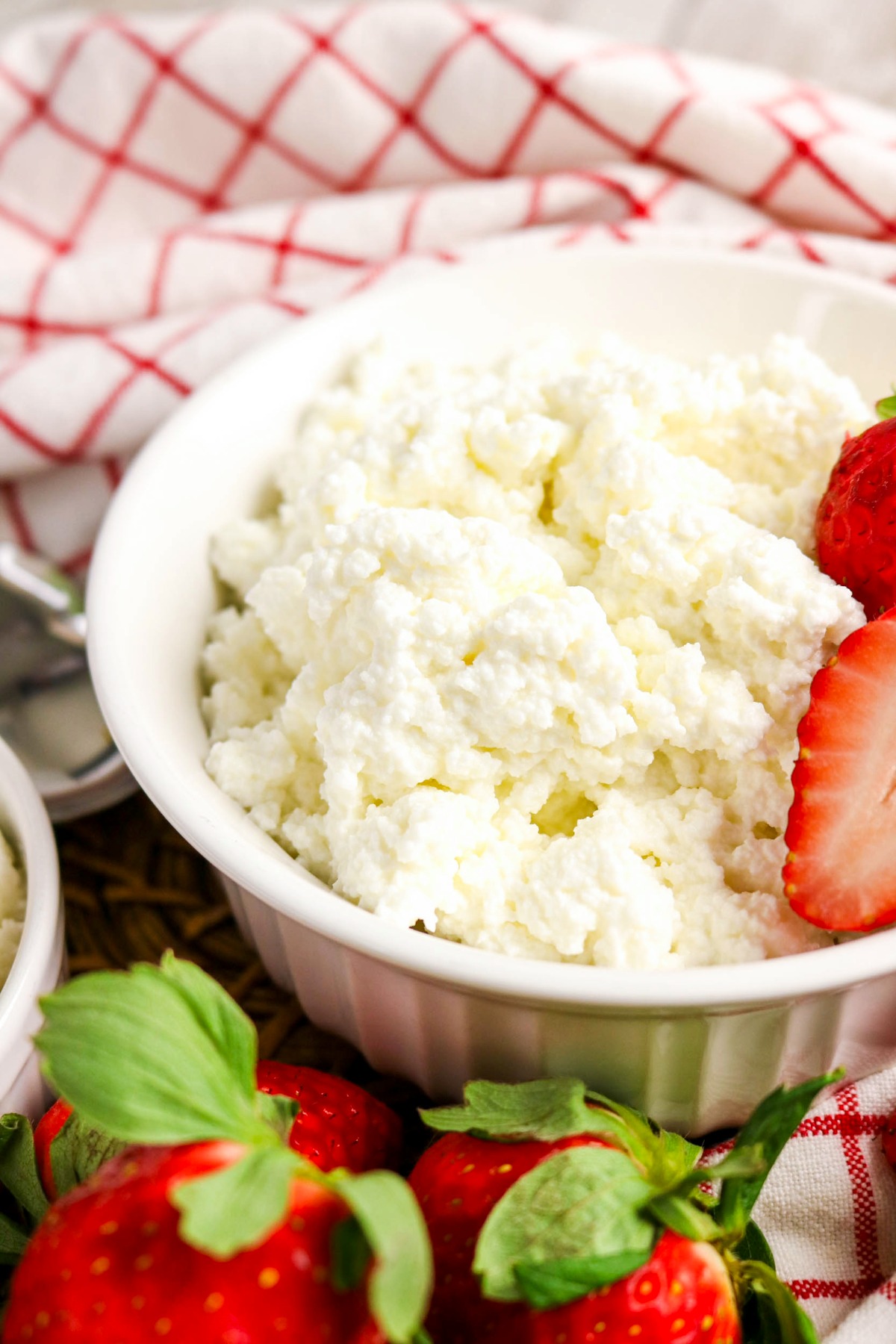
There’s something incredibly satisfying about making your own Homemade Cottage Cheese from scratch. It’s mild, creamy, lightly tangy, and filled with soft, tender curds that taste so much fresher than anything from the store. Plus, you only need a handful of simple ingredients and a little stovetop time!
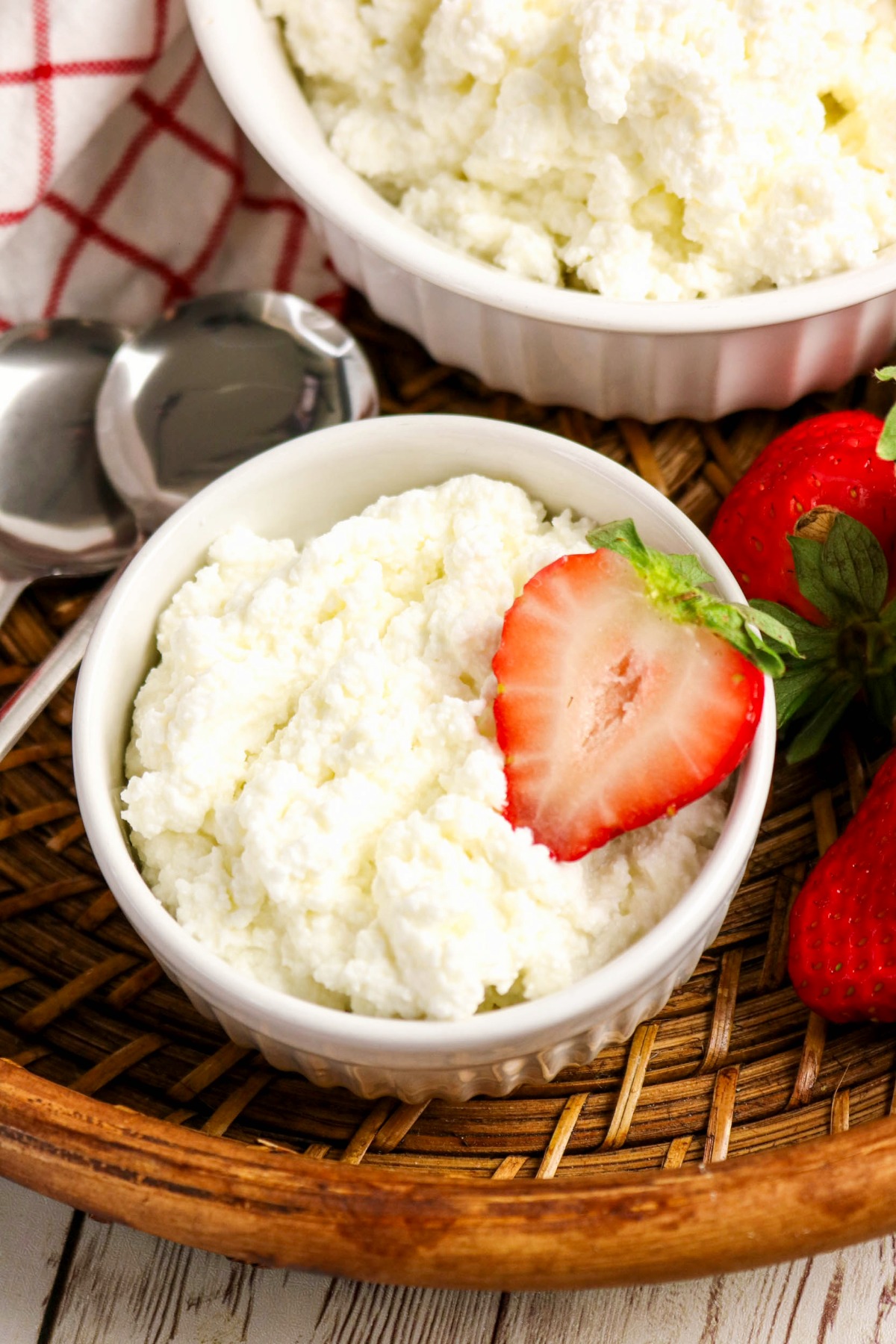
I started making this when I realized how easy it actually is. The first time I saw the curds separate from the whey, I felt like a kitchen magician. Now it’s one of those back-to-basics recipes I turn to whenever I want something wholesome, customizable, and surprisingly fun to make.
If you are looking for delicious ways to use your homemade cottage cheese, you might also enjoy trying cottage cheese banana bread, cottage cheese and egg bake, or even banana cottage cheese pancakes. They’re all easier than you think and so worth it!
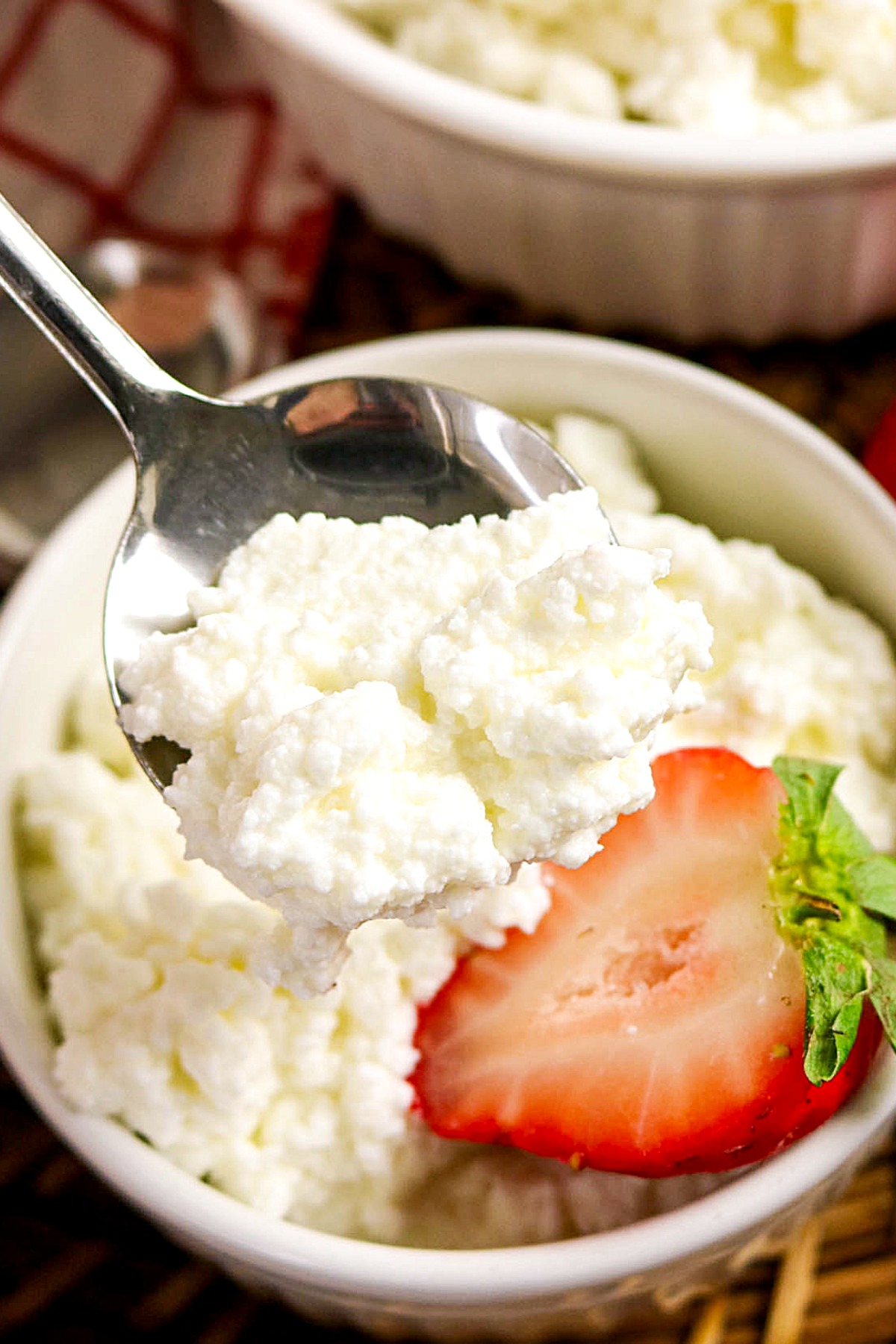
Table of Contents
Why You’ll Love This Recipe
- Simple Ingredients: You only need milk, acid, and salt to create fresh cottage cheese at home.
- Customizable Texture: You can make small, tender curds or larger, chunkier ones depending on how you stir.
- Budget-Friendly: It costs less than store-bought and makes about 2 cups.
- Fresh & Flavorful: The taste is clean, creamy, and lightly tangy without additives or preservatives.
Ingredients
This is a list of the ingredients that you need to make your grocery shopping easier. You can find the full list of the ingredients and amounts needed in the recipe card at the bottom of this post.
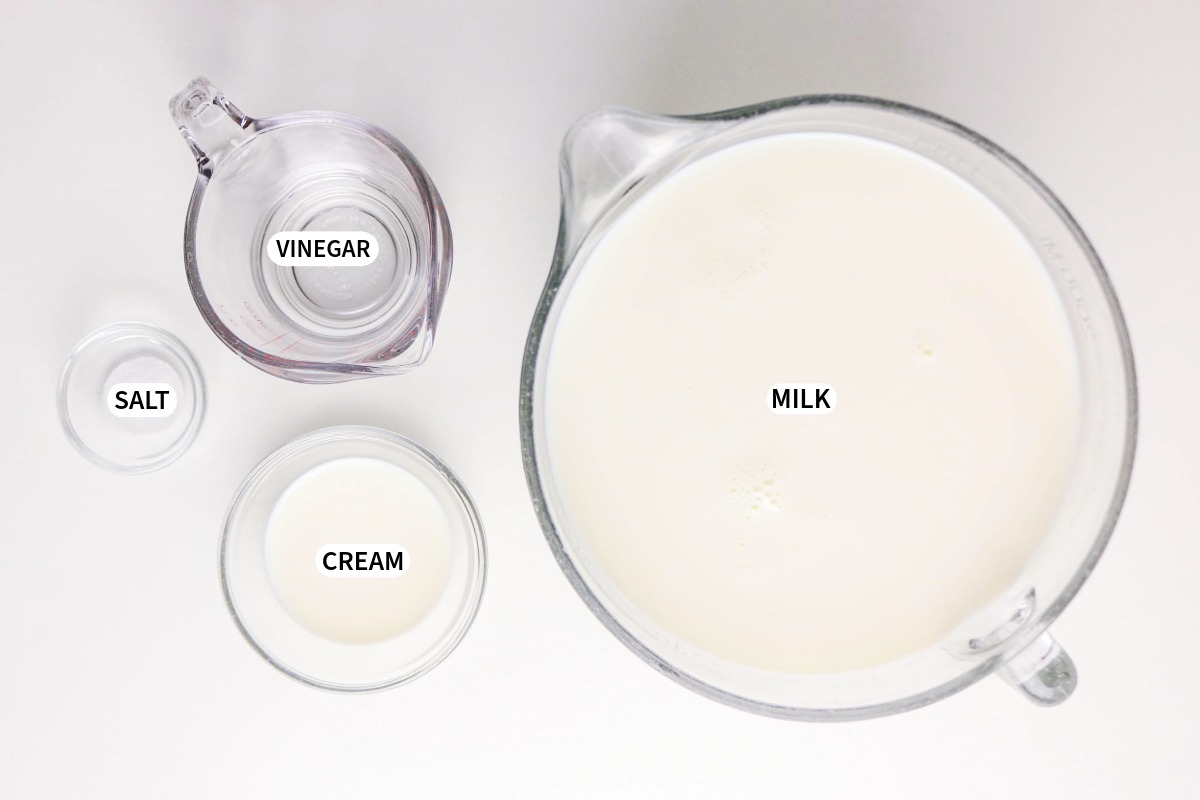
- Whole Milk: Whole milk creates the best creamy texture and soft curds; avoid ultra-pasteurized for proper curd formation.
- White Vinegar or Lemon Juice: This is the acid that separates the milk into curds and whey.
- Salt: Salt enhances the mild flavor and balances the tanginess.
- Heavy Cream or Whole Milk (Optional): This adds extra richness and gives the cottage cheese a creamier finish.
How to Make Homemade Cottage Cheese
This is a quick overview of the step-by-step instructions for making this recipe. You can find the complete list of instructions in the printable recipe card at the bottom of this post.
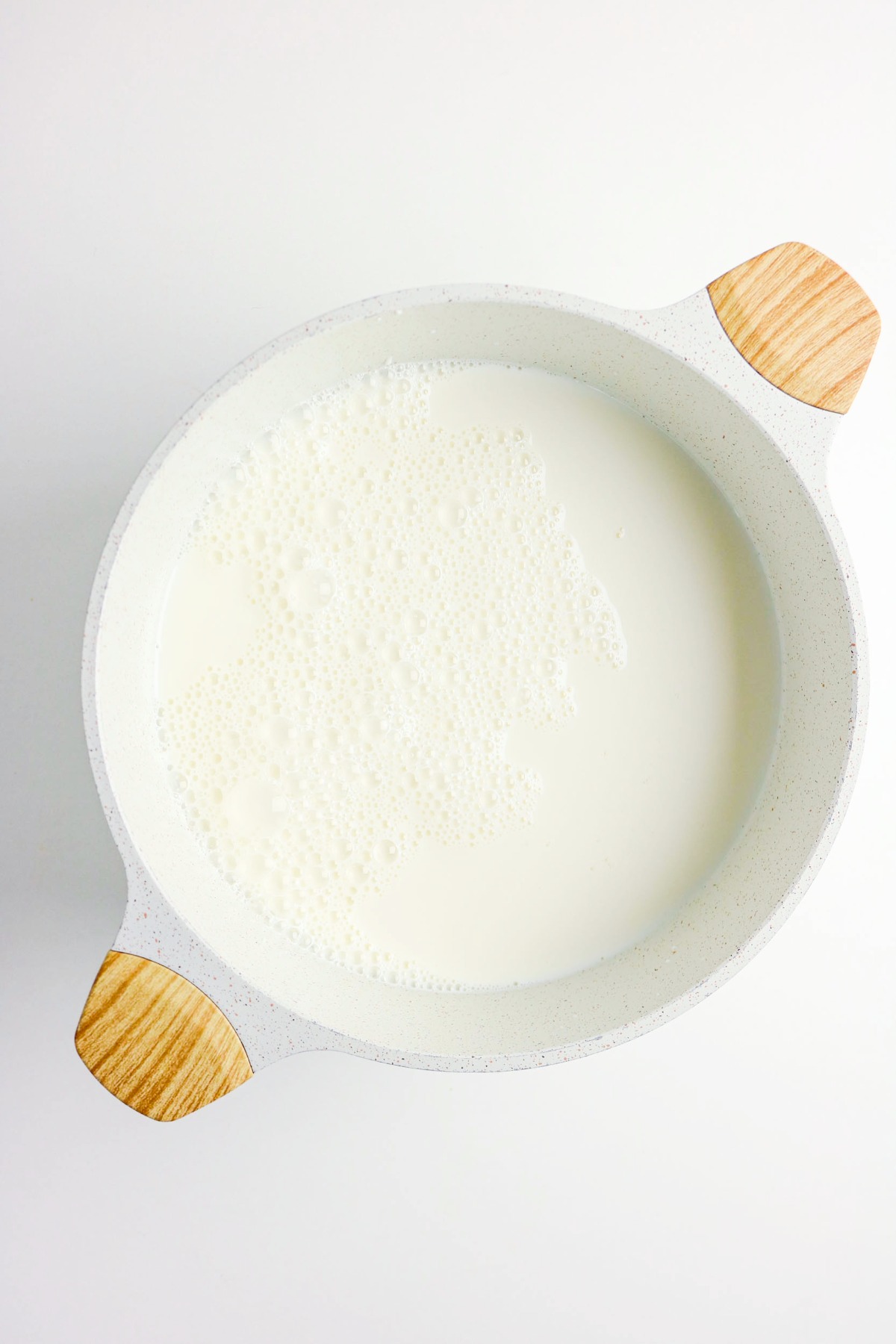
- Pour the milk into a large pot and heat over medium heat, stirring occasionally, until it reaches about 190°F (just before boiling).
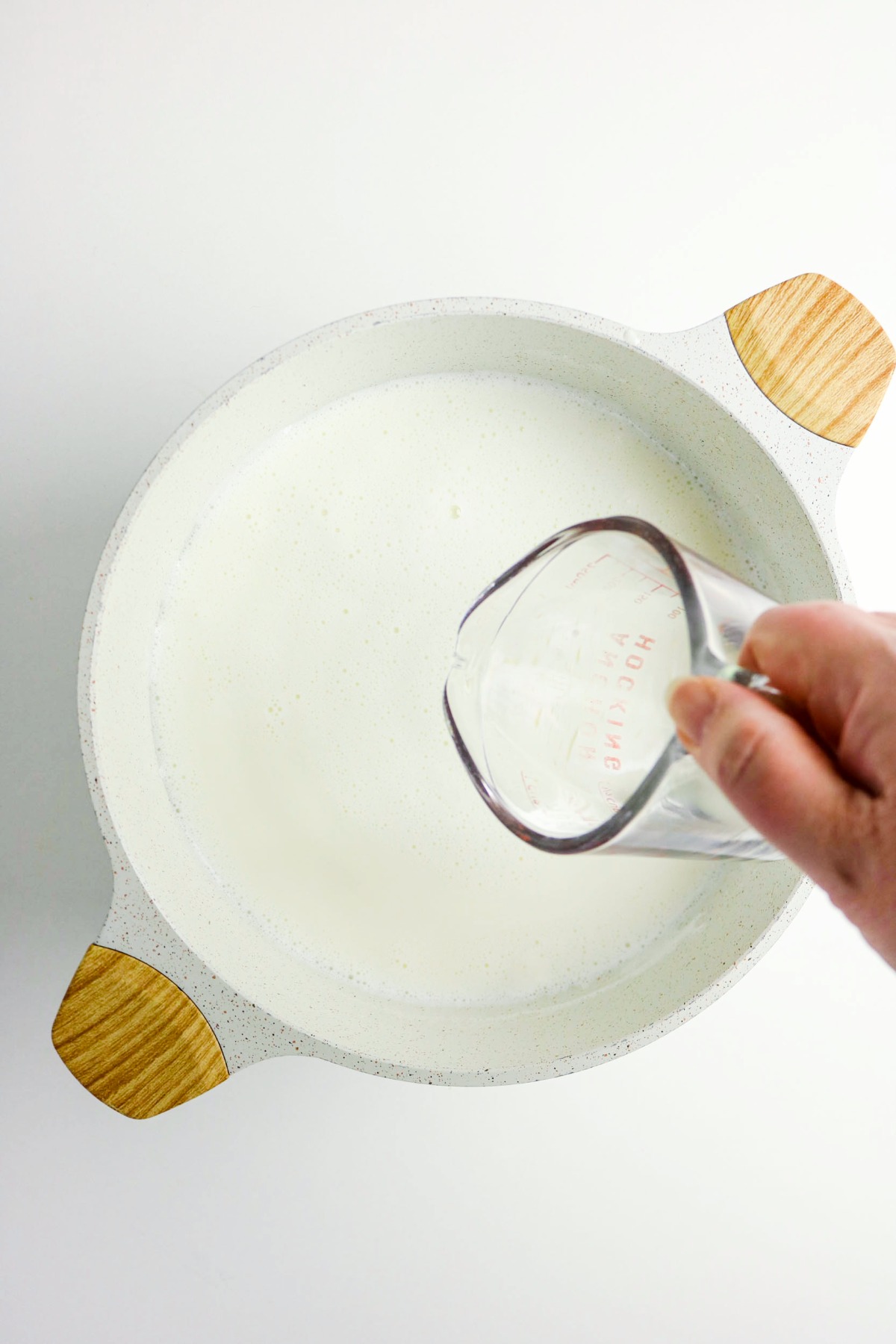
- Remove the pot from heat and slowly stir in the vinegar or lemon juice. Stir gently for 10–15 seconds, then stop.
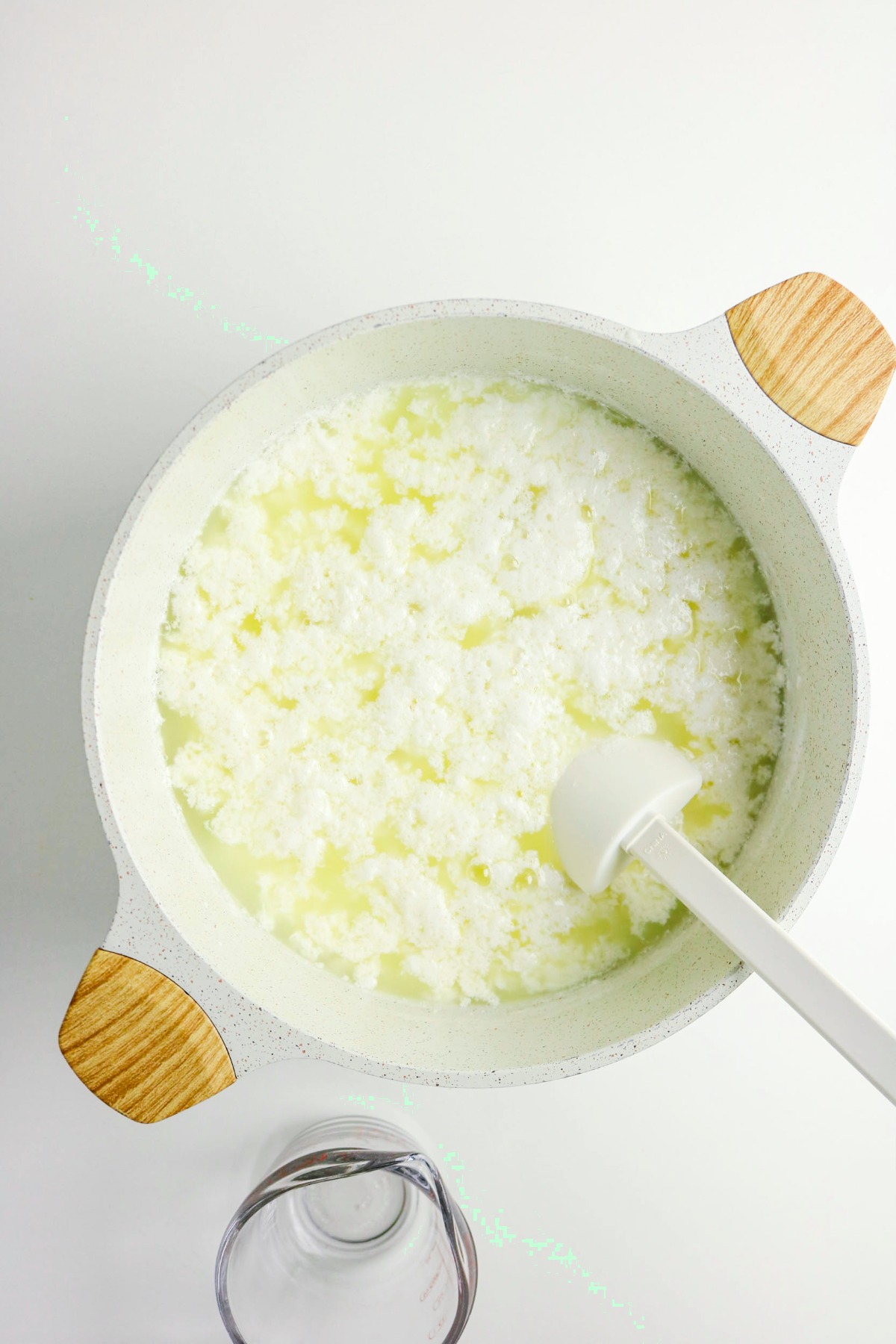
- Cover and let the mixture sit undisturbed for 20–30 minutes until curds form.
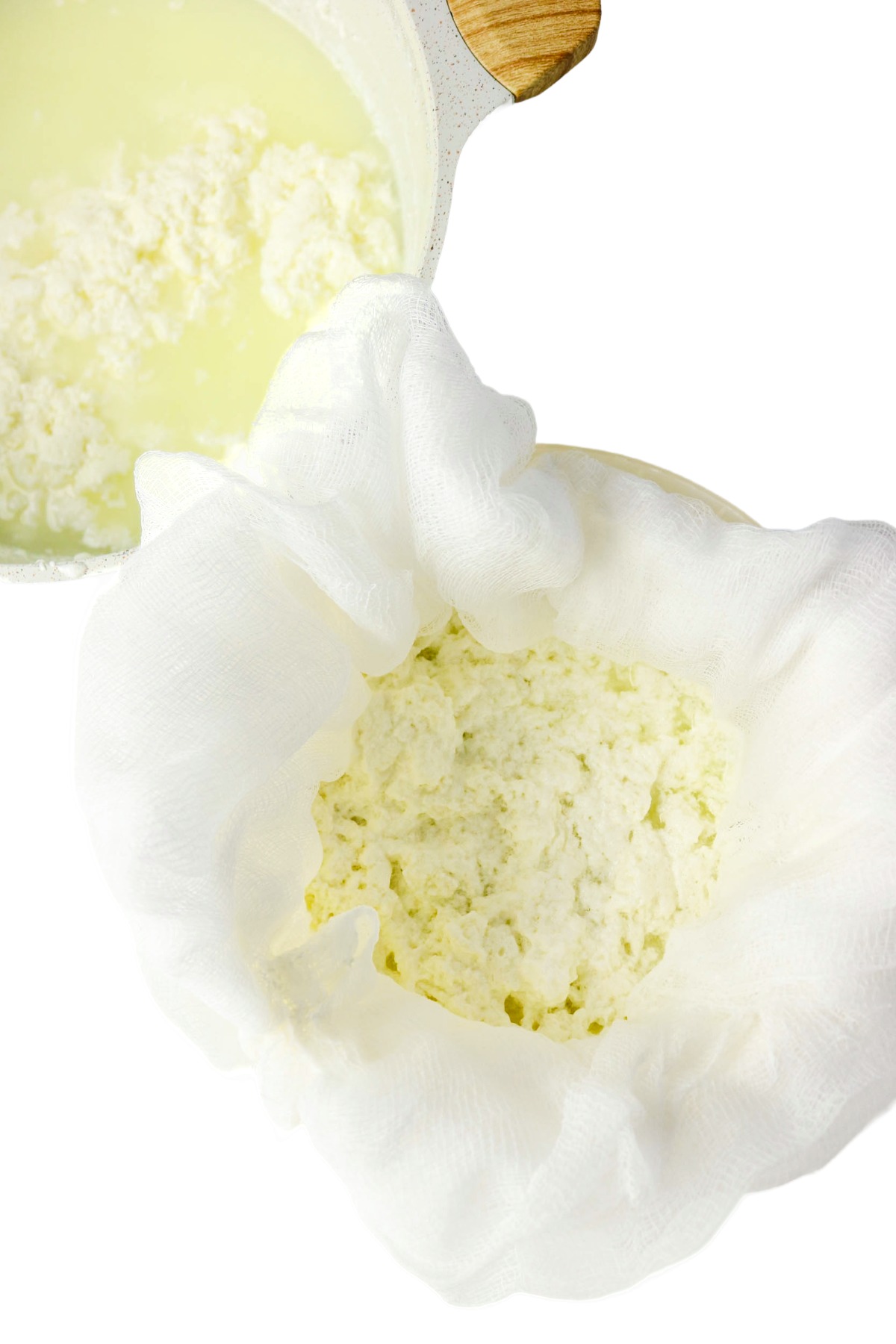
- Line a colander with cheesecloth or a clean kitchen towel. Carefully pour in the curds and whey. Let drain 5–10 minutes for wetter cottage cheese or longer for drier curds.
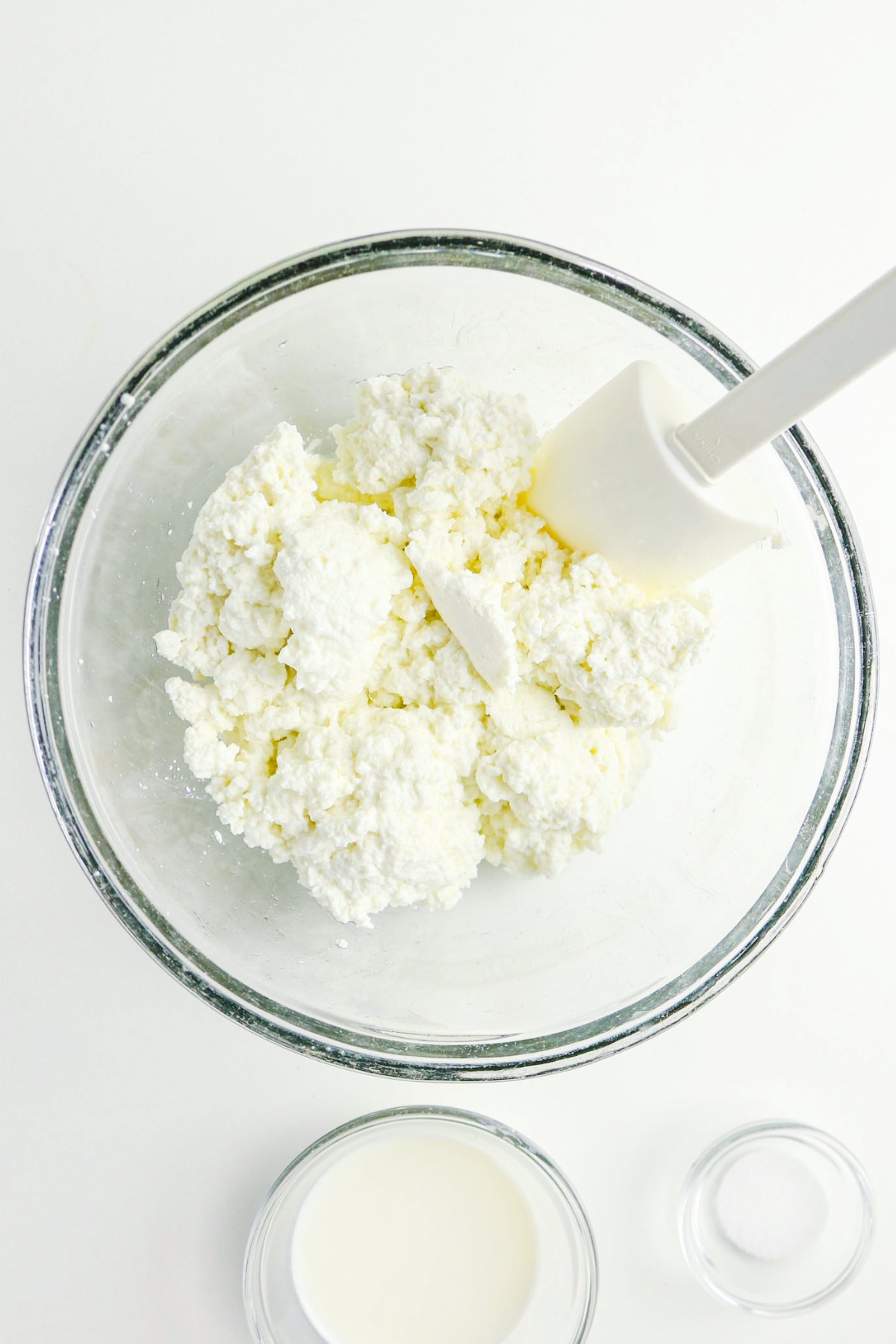
- Rinse the curds under cold water, gently breaking them apart with your fingers. Transfer curds to a bowl and stir in salt.
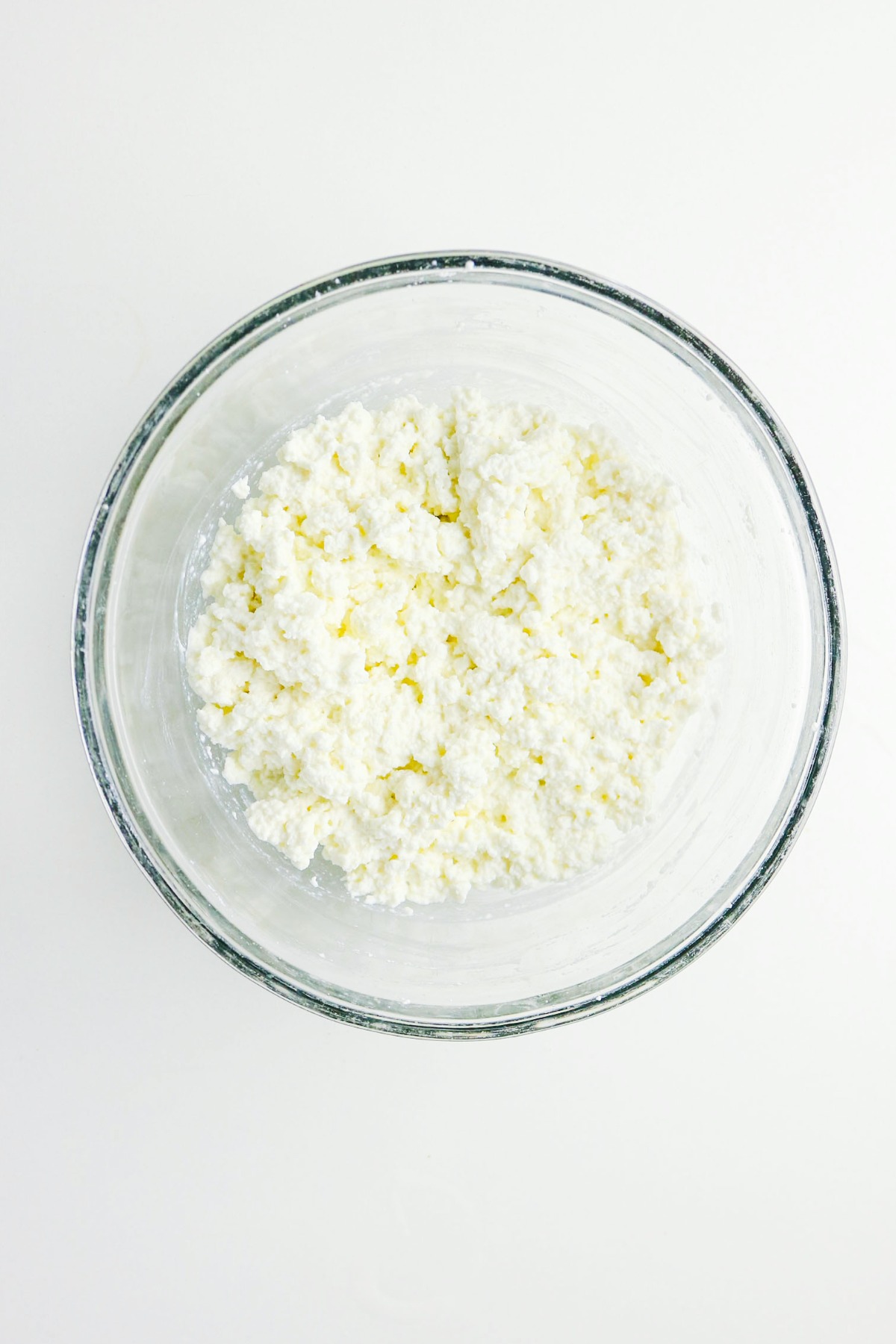
- Add heavy cream or milk a little at a time if you prefer a creamier consistency. Chill for at least 1 hour before serving.
Substitutions and Additions
- Small Curds: Stir a little more when adding the acid and break up the curds more during rinsing.
- Large Curds: Stir very gently and avoid over-handling for bigger, chunkier curds.
- Low-Fat Version: Use 2% milk, keeping in mind the curds will be slightly drier and smaller.
- Herb-Infused: Stir in chopped fresh chives, dill, or cracked black pepper for a savory twist.
Sandra’s Pro Tips
- Use a thermometer to avoid overheating the milk.
- Don’t over-stir after adding the acid or you’ll end up with very small curds.
- Rinse gently to remove excess acidity without crushing the curds.
- Let it chill fully before serving for the best flavor and texture.
Ways To Use Cottage Cheese
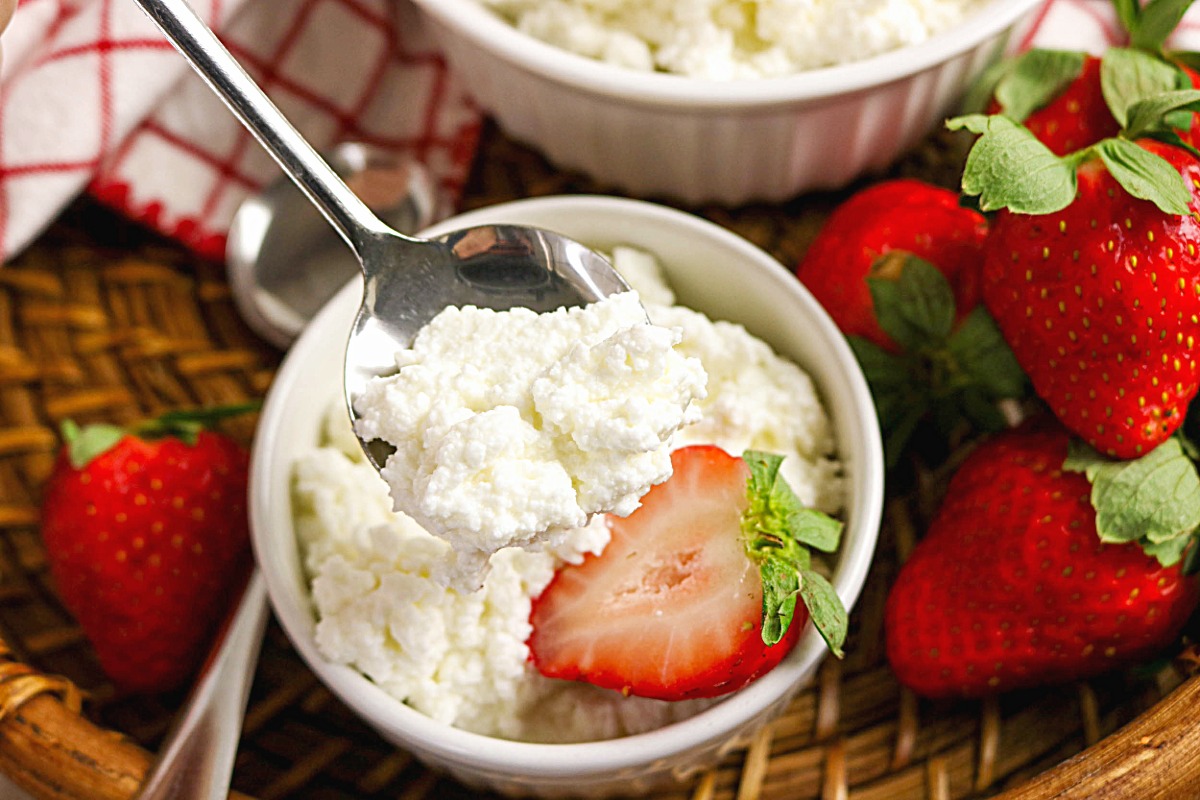
You’ll enjoy this cottage cheese by the spoonful. The flavor is delicious! I also like to serve is with diced cantaloupe and blueberries.
For a filling breakfast or snack idea, mix cottage cheese with plain or strawberry chia pudding. We also love hearty cottage cheese pancakes.
FAQs
Do you have questions about this recipe? Here are the answers to the most commonly asked questions for this recipe.
Ultra-pasteurized milk doesn’t separate properly, so always use regular whole milk.
Yes! Lemon juice works perfectly and gives a slightly fresher flavor.
Yes. Rinsing the curds more thoroughly will reduce acidity.
Other Delicious Cottage Cheese Recipes You May Enjoy
- Cottage Cheese Pizza Bowl
- Cottage Cheese Avocado Toast
- Cottage Cheese Egg Salad
- Cottage Cheese Cheesecake
Homemade Cottage Cheese Recipe (Small Curd)
Equipment
- Sauce pan
- thermometer
- Cheese cloth
- mixing bowl
Ingredients
- 1/2 gallon whole milk NOT ultra-pasteurized
- 1/4 cup white vinegar or lemon juice
- 1/2 teaspoon salt or to taste
- 2-4 Tablespoons heavy cream or whole milk optional, for creamier texture
Instructions
- Pour the milk into a large pot and heat over medium heat, stirring occasionally, until it reaches about 190°F (just before boiling). Remove from heat.
- Slowly stir in the vinegar or lemon juice. Gently stir for 10–15 seconds, then stop. Curds should begin to form and separate from the whey.
- Cover the pot and let it sit undisturbed for 20–30 minutes.
- Line a colander with cheesecloth or a clean kitchen towel and carefully pour the curds and whey into it. Let drain for 5–10 minutes for a wetter cottage cheese, or longer for drier curds.
- Rinse the curds under cold water while gently breaking them apart with your fingers. This cools the curds and removes excess acidity.
- Transfer the curds to a bowl and sprinkle with salt. Stir gently to combine.
- For a creamier cottage cheese, stir in heavy cream or milk a little at a time until you reach your desired consistency.
- Chill for at least 1 hour before serving.
Notes
- Use a thermometer for the best results when making homemade cottage cheese.
- Don’t over-stir after adding the acid or you’ll end up with very small curds.
- Rinse gently to remove excess acidity without crushing the curds.
- Gently break up curds in larger chunks for large curds.
- Place cottage cheese in the refrigerator for at least an hour to fully chill before serving for the best flavor and texture.
How To Store
- Storage: Store in an airtight container in the refrigerator for up to 5 days.
- Freezing: Freezing isn’t recommended because it alters the curd texture and makes it watery once thawed.
Nutrition
Disclaimer
Please note that the nutritional information provided are guidelines and may vary based on the brand of products used. For your specific nutritional goals use My Fitness Pal or Verywell Fit recipe calculators. All content within this site is not intended as medical diagnosis or treatment and should not be considered a substitute for professional medical expertise.





Heavenly and so easy!
love it!